
Review of Mood Swing, with Pear
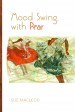
“Like Gifts You Never Asked For:
Sue MacLeod's Mood Swing, with Pear
Sue MacLeod’s poems in Mood Swing, with Pear, her third book of poetry, dance down and across the page. In turns playful and deadly serious, tackling topics ranging from cancer to carrying a heavy flowerpot, MacLeod often stretches out lines and phrases to create spaces for the reader to pause and consider, to fill in and imagine, to breathe. Nine of the poems are found poems — or “compiled poems” — as she calls them in the notes, and just as many are ekphrastic in some manner, riffing off artwork, photos, or lines from literature. MacLeod writes the domestic and mundane the way painters approach scenes like a woman in a bathtub or a still life of a fruit bowl, as repeated attempts to “get it right”:
the delicate detailing
of collarbone,
how this is not diminished
…
Who else could see her in this light?
The beauty of unhinging lines in a poem, of unhooking the narrative thread and giving it some slack, is that the reader can see what the poet sees — gems and beads on a blank white cloth. As MacLeod writes, “There is no need for essay // every detail was the best of its kind — // the pond, old sheds, & the very ducks themselves.” [...]
Luckily, there are many instances of strong writing throughout Mood Swing, with Pear. At the end of “The Rightful,” “the moon is pouring silver buckets on the water now. The shirts / are iridescent on the line and the man I am about to meet is on his way / to claim them.” And in her poem, “Counting down (an invitation?)”
because of twilight:
birdsong at your window, glass
of Jameson on the side, angular line of your
wrist, light burnishing the fine
dark hairs, that time when everything is oiled, about
to turn
Macleod’s poetry finds strength in the personal. Poems like “The aunts & the uncles, they wouldn’t sit still for their pictures but I caught them anyway,” “Through the swinging door,” and her long poem at the end of the book, “Where the sound comes through,” touch the reader, and are like “this gift they left you / that you never / asked for.””
More Reviews of this title
No reviews found.





 Back to top